


 Piedmont Podiatry - Default
March 2025
Tuesday, 25 March 2025 00:00
Causes and Symptoms of Pinky Toe Pain
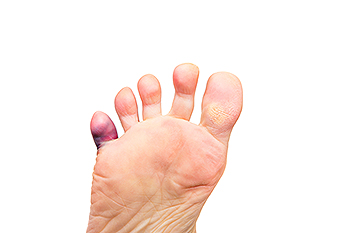
Pinky toe pain can result from various conditions affecting the skin, nerves, and joints. Corns, caused by friction or pressure from tight shoes, create painful, hardened areas on the toe. Footwear that squeezes the toes or lacks support can lead to discomfort and misalignment. Nerve issues, such as pinched nerves or neuropathy, may cause tingling, burning, or sharp pain. Overuse from repetitive movements or excessive walking can strain the toe, leading to soreness and inflammation. Additionally, arthritis, particularly in older adults, can cause stiffness, swelling, and persistent pain in the small joints of the toe. If you have pain in your pinky toe, it is suggested that you consult a podiatrist who can offer effective relief and treatment solutions.
Toe pain can disrupt your daily activities. If you have any concerns, contact one of our podiatrists of Piedmont Podiatry Associates. Our doctors can provide the care you need to keep you pain-free and on your feet.
What Causes Toe Pain?
Most severe toe pain is caused due to a sports injury, trauma from dropping something heavy on the toe, or bumping into something rigid. Other problems can develop over time for various reasons.
Toe pain can be caused by one or more ailments. The most common include:
- Trauma
- Sports injury
- Wearing shoes that are too tight
- Arthritis
- Gout
- Corns and calluses
- Hammertoe
- Bunions
- Blisters
- Ingrown toenails
- Sprains
- Fractures (broken bones)
- Dislocations
When to See a Podiatrist
- Severe pain
- Persistent pain that lasts more than a week
- Signs of infection
- Continued swelling
- Pain that prevents walking
Diagnosis
In many cases the cause of toe pain is obvious, but in others, a podiatrist may want to use more advanced methods to determine the problem. These can range from simple visual inspections and sensation tests to X-rays and MRI scans. Prior medical history, family medical history, and any recent physical traumatic events will all be taken into consideration for a proper diagnosis.
Treatment
Treatments for toe pain and injuries vary and may include shoe inserts, padding, taping, medicines, injections, and in some cases, surgery. If you believe that you have broken a toe, please see a podiatrist as soon as possible.
If you have any questions please feel free to contact one of our offices located in Greenville, and Easley, SC . We offer the newest diagnostic tools and technology to treat your foot and ankle needs.
Tuesday, 18 March 2025 00:00
Risk Factors and Types of Toenail Fungus
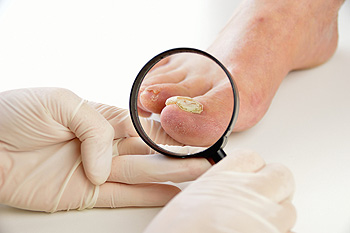
Toenail fungus, medically termed onychomycosis, occurs when fungi grow excessively in or under the toenail, resulting in thickened, brittle, or discolored nails. The risk of developing fungal toenails increases with prolonged exposure to warm, moist environments, such as wearing closed-toe shoes for extended periods or walking barefoot in gym showers and pool areas. People with diabetes, poor circulation, a weakened immune system, or a history of nail injuries are more susceptible to infection. Aging also plays a role, as slower nail growth and reduced blood flow to the feet increase the risk. Improperly sanitized tools at nail salons can spread fungal infections from one person to another. Symptoms may develop gradually, making early detection difficult. If left untreated, the infection can worsen, causing pain or the nail to separate from the nail bed. A podiatrist can assess the severity of the infection and provide treatment, including topical or oral medication, laser therapy, or possible nail removal. If you believe you have a toenail fungus, it is suggested that you schedule an appointment with a podiatrist for an exam, diagnosis, and appropriate treatment options.
If left untreated, toenail fungus may spread to other toenails, skin, or even fingernails. If you suspect you have toenail fungus it is important to seek treatment right away. For more information about treatment, contact one of our podiatrists of Piedmont Podiatry Associates. Our doctors can provide the care you need to keep you pain-free and on your feet.
Symptoms
- Warped or oddly shaped nails
- Yellowish nails
- Loose/separated nail
- Buildup of bits and pieces of nail fragments under the nail
- Brittle, broken, thickened nail
Treatment
If self-care strategies and over-the-counter medications does not help your fungus, your podiatrist may give you a prescription drug instead. Even if you find relief from your toenail fungus symptoms, you may experience a repeat infection in the future.
Prevention
In order to prevent getting toenail fungus in the future, you should always make sure to wash your feet with soap and water. After washing, it is important to dry your feet thoroughly especially in between the toes. When trimming your toenails, be sure to trim straight across instead of in a rounded shape. It is crucial not to cover up discolored nails with nail polish because that will prevent your nail from being able to “breathe”.
In some cases, surgical procedure may be needed to remove the toenail fungus. Consult with your podiatrist about the best treatment options for your case of toenail fungus.
If you have any questions, please feel free to contact one of our offices located in Greenville, and Easley, SC . We offer the newest diagnostic and treatment technologies for all your foot care needs.
Tuesday, 11 March 2025 00:00
Soothing Aching Feet With Simple Exercises

Achy feet can result from long hours of standing, walking, or wearing unsupportive footwear. Stretching helps relieve tension by loosening tight muscles and improving flexibility. Simple stretches, such as pulling the toes back gently or rolling the foot over a massage ball, can provide relief. The marble pick-up exercise strengthens the toes and arches by encouraging small muscle activation. Drawing the alphabet with the ankle helps improve mobility and reduce stiffness by engaging the entire foot and lower leg. Calf raises strengthen the lower legs and improve circulation, which can reduce swelling and fatigue. Incorporating these exercises into a daily routine can relieve discomfort, improve foot strength, and enhance overall foot health. If your feet ache the majority of the time, it is suggested that you consult a podiatrist who can guide you on effective relief tips, which may include additional foot stretches.
Foot Pain
Foot pain can be extremely painful and debilitating. If you have a foot pain, consult with one of our podiatrists from Piedmont Podiatry Associates. Our doctors will assess your condition and provide you with quality foot and ankle treatment.
Causes
Foot pain is a very broad condition that could be caused by one or more ailments. The most common include:
- Bunions
- Hammertoes
- Plantar Fasciitis
- Bone Spurs
- Corns
- Tarsal Tunnel Syndrome
- Ingrown Toenails
- Arthritis (such as Gout, Rheumatoid, and Osteoarthritis)
- Flat Feet
- Injury (from stress fractures, broken toe, foot, ankle, Achilles tendon ruptures, and sprains)
- And more
Diagnosis
To figure out the cause of foot pain, podiatrists utilize several different methods. This can range from simple visual inspections and sensation tests to X-rays and MRI scans. Prior medical history, family medical history, and any recent physical traumatic events will all be taken into consideration for a proper diagnosis.
Treatment
Treatment depends upon the cause of the foot pain. Whether it is resting, staying off the foot, or having surgery; podiatrists have a number of treatment options available for foot pain.
If you have any questions, please feel free to contact one of our offices located in Greenville, and Easley, SC . We offer the newest diagnostic and treatment technologies for all your foot care needs.
Tuesday, 04 March 2025 00:00
Prompt Treatment of Foot Wounds
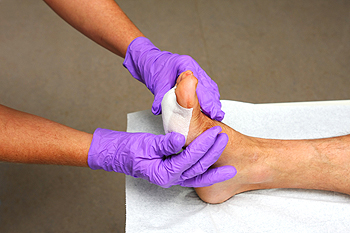
Foot wounds require prompt and proper care, especially for individuals with diabetes, as their condition can impair healing and increase the risk of severe complications. Even minor cuts or blisters can progress to infections or ulcers if left untreated. Treatment begins with cleaning the wound, removing dead tissue, and applying appropriate dressings to protect the area. Infections may require antibiotics, while advanced wounds might need specialized treatments like skin grafts or hyperbaric oxygen therapy. For diabetic patients, poor circulation and reduced sensation often mask the severity of wounds, delaying care and increasing the risk of amputation. Regular foot inspections are critical for early detection. A podiatrist plays a key role in wound management, offering professional care, monitoring healing progress, and preventing complications. If you have sustained a foot wound, it is strongly suggested that you seek treatment from a podiatrist.
Wound care is an important part in dealing with diabetes. If you have diabetes and a foot wound or would like more information about wound care for diabetics, consult with one of our podiatrists from Piedmont Podiatry Associates. Our doctors will assess your condition and provide you with quality foot and ankle treatment.
What Is Wound Care?
Wound care is the practice of taking proper care of a wound. This can range from the smallest to the largest of wounds. While everyone can benefit from proper wound care, it is much more important for diabetics. Diabetics often suffer from poor blood circulation which causes wounds to heal much slower than they would in a non-diabetic.
What Is the Importance of Wound Care?
While it may not seem apparent with small ulcers on the foot, for diabetics, any size ulcer can become infected. Diabetics often also suffer from neuropathy, or nerve loss. This means they might not even feel when they have an ulcer on their foot. If the wound becomes severely infected, amputation may be necessary. Therefore, it is of the upmost importance to properly care for any and all foot wounds.
How to Care for Wounds
The best way to care for foot wounds is to prevent them. For diabetics, this means daily inspections of the feet for any signs of abnormalities or ulcers. It is also recommended to see a podiatrist several times a year for a foot inspection. If you do have an ulcer, run the wound under water to clear dirt from the wound; then apply antibiotic ointment to the wound and cover with a bandage. Bandages should be changed daily and keeping pressure off the wound is smart. It is advised to see a podiatrist, who can keep an eye on it.
If you have any questions, please feel free to contact one of our offices located in Greenville, and Easley, SC . We offer the newest diagnostic and treatment technologies for all your foot care needs.
Sunday, 02 March 2025 00:00
It's Time for Beautiful Feet

You don't need an excuse to have beautiful nails. Step outside without worrying about the appearance of your feet.