

Blog

When a Stubbed Toe Is More Than a Bump

A serious stubbed toe can cause more than brief pain especially when the impact is forceful or awkward. Common causes include running into furniture, sports injuries, or falls. Symptoms may involve sharp pain, swelling, bruising, and difficulty moving the toe. The toe may look red, crooked, or enlarged and it can feel tender or unstable when walking. A podiatrist can help by starting with a careful examination and imaging such as X-rays to determine whether the injury is a sprain or a fracture. Early treatment may include protection taping or immobilization, followed by gradual return to activity. More severe injuries may require specialized care to ensure proper healing and alignment. Ignoring symptoms can delay recovery and increase long-term joint stiffness. If you have a serious stubbed toe that could be broken or sprained, it is suggested that you make an appointment with a podiatrist.

Toe pain can disrupt your daily activities. If you have any concerns, contact one of our podiatrists of Piedmont Podiatry Associates. Our doctors can provide the care you need to keep you pain-free and on your feet.

What Causes Toe Pain?

Most severe toe pain is caused due to a sports injury, trauma from dropping something heavy on the toe, or bumping into something rigid. Other problems can develop over time for various reasons.

Toe pain can be caused by one or more ailments. The most common include:

  • Trauma
  • Sports injury
  • Wearing shoes that are too tight
  • Arthritis
  • Gout
  • Corns and calluses
  • Hammertoe
  • Bunions
  • Blisters
  • Ingrown toenails
  • Sprains
  • Fractures (broken bones)
  • Dislocations

When to See a Podiatrist

  • Severe pain
  • Persistent pain that lasts more than a week
  • Signs of infection
  • Continued swelling
  • Pain that prevents walking

Diagnosis

In many cases the cause of toe pain is obvious, but in others, a podiatrist may want to use more advanced methods to determine the problem. These can range from simple visual inspections and sensation tests to X-rays and MRI scans. Prior medical history, family medical history, and any recent physical traumatic events will all be taken into consideration for a proper diagnosis.

Treatment

Treatments for toe pain and injuries vary and may include shoe inserts, padding, taping, medicines, injections, and in some cases, surgery. If you believe that you have broken a toe, please see a podiatrist as soon as possible.

If you have any questions please contact one of our offices located in Greenville, and Easley, SC . We offer the newest diagnostic and treatment technologies for all your foot and ankle needs.
Read more about Toe Pain

What Is Extensor Tendinopathy?

Extensor tendinopathy is a musculoskeletal condition involving irritation or inflammation of the extensor tendons that run along the top of the foot and help lift the toes during walking. This condition may develop when these tendons experience repetitive strain or excessive pressure. Causes can include older age, excess body weight, diabetes-related changes, in addition to certain types of arthritis, and wearing ill fitting shoes that place stress across the top of the foot. Symptoms include tenderness, swelling at the top of the foot, and pain that increases with physical activity or prolonged walking. Risk factors include repetitive movement, poor footwear support, and underlying inflammatory conditions. A podiatrist can evaluate tendon health and recommend supportive treatment. If persistent foot pain develops, it is suggested that you consult a podiatrist who can offer effective relief and treatment solutions.

Foot Pain

Foot pain can be extremely painful and debilitating. If you have a foot pain, consult with one of our podiatrists  from Piedmont Podiatry Associates. Our doctors will assess your condition and provide you with quality foot and ankle treatment.

Causes

Foot pain is a very broad condition that could be caused by one or more ailments. The most common include:

  • Bunions
  • Hammertoes
  • Plantar Fasciitis
  • Bone Spurs
  • Corns
  • Tarsal Tunnel Syndrome
  • Ingrown Toenails
  • Arthritis (such as Gout, Rheumatoid, and Osteoarthritis)
  • Flat Feet
  • Injury (from stress fractures, broken toe, foot, ankle, Achilles tendon ruptures, and sprains)
  • And more

Diagnosis

To figure out the cause of foot pain, podiatrists utilize several different methods. This can range from simple visual inspections and sensation tests to X-rays and MRI scans. Prior medical history, family medical history, and any recent physical traumatic events will all be taken into consideration for a proper diagnosis.

Treatment

Treatment depends upon the cause of the foot pain. Whether it is resting, staying off the foot, or having surgery; podiatrists have a number of treatment options available for foot pain.

If you have any questions, please feel free to contact one of our offices located in Greenville, and Easley, SC . We offer the newest diagnostic and treatment technologies for all your foot care needs.

Read more about Foot Pain

Ankle Swelling Can Indicate Serious Problems

Swollen ankles are often caused by a buildup of fluid in the lower legs, a condition known as edema. This occurs when excess fluid collects in body tissues, leading to visible puffiness that may affect the feet, ankles, and even the calves. While swelling is common in older people, it can also be linked to standing for long periods, long travel, pregnancy, or being overweight. In some cases, ankle swelling may signal more serious problems, including poor vein function, blood clots, or disorders involving the heart, kidneys, or liver. Certain medications can also contribute to swelling. A podiatrist can evaluate the pattern and severity of swelling, examine circulation, and order diagnostic tests to identify the cause. Early diagnosis is important to prevent complications and protect long-term foot and ankle health. If you notice foot or ankle swelling, it is suggested that you make an appointment with a podiatrist for an exam, diagnosis, and treatment.

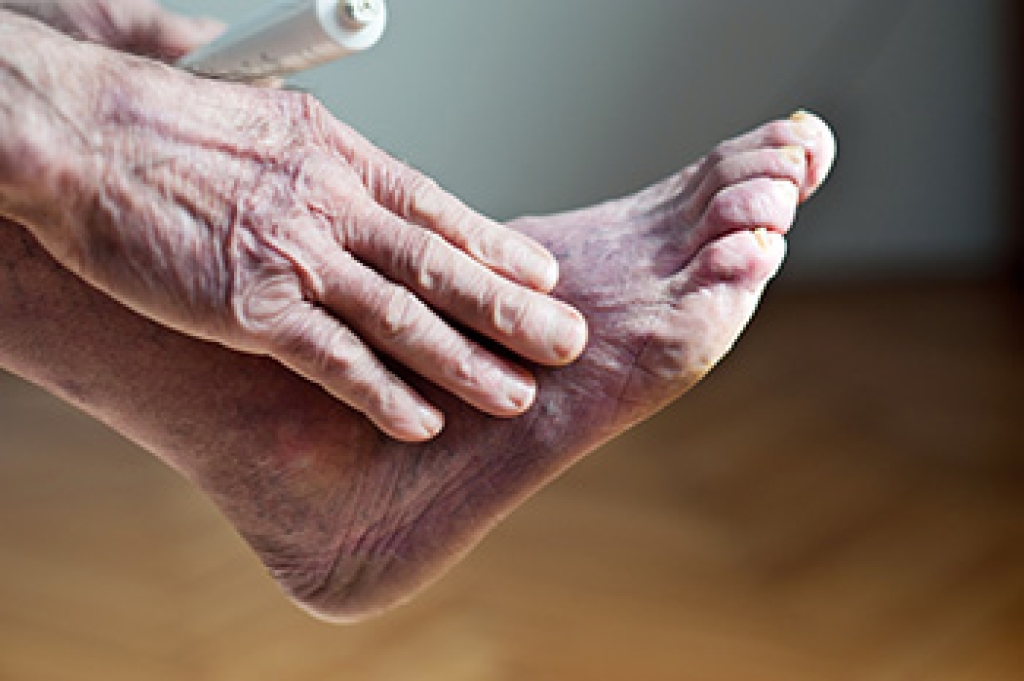
Swollen feet can be a sign of an underlying condition. If you have any concerns, contact one of our podiatrists of Piedmont Podiatry Associates. Our doctors can provide the care you need to keep you pain-free and on your feet.

Swollen feet are a common ailment among pregnant women and people who stand or sit for extended periods. Aging may increase the possibility of swollen feet and patients who are obese often notice when their feet are swelling too. There may be medical reasons why swollen feet occur:

  • Phlebitis - A condition that causes the veins to become inflamed and can also cause leg pain.
  • Liver disease - This may lead to low blood levels of albumin which is a protein. This can cause fluid in the blood to pass into the tissues and several areas of the body can become swollen.
  • Heart failure - When the heart doesn’t pump properly the blood that is normally pumped back to the heart can pool in the veins of the legs causing swollen feet.
  • Kidney disease - One of the main functions of the kidneys is releasing excess fluid in the body. This type of condition can make it difficult for the kidneys to function properly, and as a result the feet may become swollen.
  • Deep-vein thrombosis (DVT)- This is a serious condition where blood clots form in the veins of the legs. They can block the return of blood from the legs to the heart which may cause the feet to swell. It is important to be treated by a podiatrist if this condition is present.

Swollen feet can also be caused by bone and tendon conditions, including fractures, arthritis, and tendinitis. Additionally, there may be skin and toenail conditions and an infection may cause the feet to swell. Patients who take medicine to treat high blood pressure may be prone to getting swollen feet. 

Many patients elevate their feet to help relieve the swelling and this is generally a temporary remedy. When a podiatrist is consulted the reason behind the swelling can be uncovered and subsequently treated.

If you have any questions please contact one of our offices located in Greenville, and Easley, SC . We offer the newest diagnostic and treatment technologies for all your foot and ankle needs.
Read more about Swelling of the Feet

When Diabetes Reduces Blood Flow to the Feet

Diabetes can have a significant impact on blood flow to the legs and feet. Over time, elevated blood sugar levels damage blood vessels, causing them to narrow and stiffen. This reduces circulation to the lower extremities, and limits the delivery of oxygen and nutrients needed for healthy tissue. Poor blood flow slows wound healing and makes the feet more vulnerable to ulcers and infection, even from minor injuries. People may notice cold feet, skin color changes, hair loss on the legs, or pain when walking that improves with rest. Because circulation problems often develop gradually, they may go unnoticed until complications appear. Ongoing circulation changes increase the risk of serious outcomes that affect mobility and independence. Routine foot checks and early attention to symptoms are important. If you have diabetes and notice changes in your feet, it is suggested you see a podiatrist for evaluation and appropriate care.

Poor circulation is a serious condition and needs immediate medical attention. If you have any concerns with poor circulation in your feet contact one of our podiatrists of Piedmont Podiatry Associates. Our doctors will treat your foot and ankle needs.

Poor Circulation in the Feet

Poor blood circulation in the feet and legs is can be caused by peripheral artery disease (PAD), which is the result of a buildup of plaque in the arteries.

Plaque buildup or atherosclerosis results from excess calcium and cholesterol in the bloodstream. This can restrict the amount of blood which can flow through the arteries. Poor blood circulation in the feet and legs are sometimes caused by inflammation in the blood vessels, known as vasculitis.

Causes

Lack of oxygen and oxygen from poor blood circulation restricts muscle growth and development. It can also cause:

  • Muscle pain, stiffness, or weakness 
  • Numbness or cramping in the legs
  • Skin discoloration
  • Slower nail & hair growth
  • Erectile dysfunction

Those who have diabetes or smoke are at greatest risk for poor circulation, as are those who are over 50. If you have poor circulation in the feet and legs it may be caused by PAD and is important to make changes to your lifestyle in order to reduce risk of getting a heart attack or stroke. Exercise and maintaining a healthy lifestyle will dramatically improve conditions.

As always, see a podiatrist as he or she will assist in finding a regimen that suits you. A podiatrist can also prescribe you any needed medication. 

If you have any questions, please feel free to contact one of our offices located in Greenville, and Easley, SC . We offer the newest diagnostic and treatment technologies for all your foot care needs.

Read more about Causes, Symptoms, and Treatment of Poor Blood Circulation in the Feet

How Pronation Affects Your Feet

Pronation is the inward roll of the foot during walking that helps absorb shock as the heel meets the ground. In a balanced gait, the arch lowers, weight moves toward the big toe, and the foot becomes stable for push-off. With overpronation, the ankle rolls too far inward and continues moving after it should properly stabilize, placing strain on the big toe, arch, and lower leg. This can contribute to shin splints, tendon irritation, and knee discomfort. Underpronation, or supination, keeps weight along the outer border of the foot and is linked to ankle instability and repetitive stress injuries. A podiatrist can analyze gait and assess alignment. They can also provide medical treatment options and custom orthotic devices to improve stability and reduce harmful pressure on joints and soft tissues. If you regularly have foot pain after activity, it is suggested that you make an appointment with a podiatrist for an exam, diagnosis, and treatment.

If you have any concerns about your feet, contact one of our podiatrists from Piedmont Podiatry Associates. Our doctors can provide the care you need to keep you pain-free and on your feet.

Biomechanics in Podiatry

Podiatric biomechanics is a particular sector of specialty podiatry with licensed practitioners who are trained to diagnose and treat conditions affecting the foot, ankle and lower leg. Biomechanics deals with the forces that act against the body, causing an interference with the biological structures. It focuses on the movement of the ankle, the foot and the forces that interact with them.

A History of Biomechanics

  • Biomechanics dates back to the BC era in Egypt where evidence of professional foot care has been recorded.
  • In 1974, biomechanics gained a higher profile from the studies of Merton Root, who claimed that by changing or controlling the forces between the ankle and the foot, corrections or conditions could be implemented to gain strength and coordination in the area.

Modern technological improvements are based on past theories and therapeutic processes that provide a better understanding of podiatric concepts for biomechanics. Computers can provide accurate information about the forces and patterns of the feet and lower legs.

Understanding biomechanics of the feet can help improve and eliminate pain, stopping further stress to the foot.

If you have any questions please feel free to contact one of our offices located in Greenville, and Easley, SC . We offer the newest diagnostic and treatment technologies for all your foot and ankle needs.

Read more about The Importance of Biomechanics in Podiatry
Connect With Us