Blog

Causes of Pain in the Pinky Toe

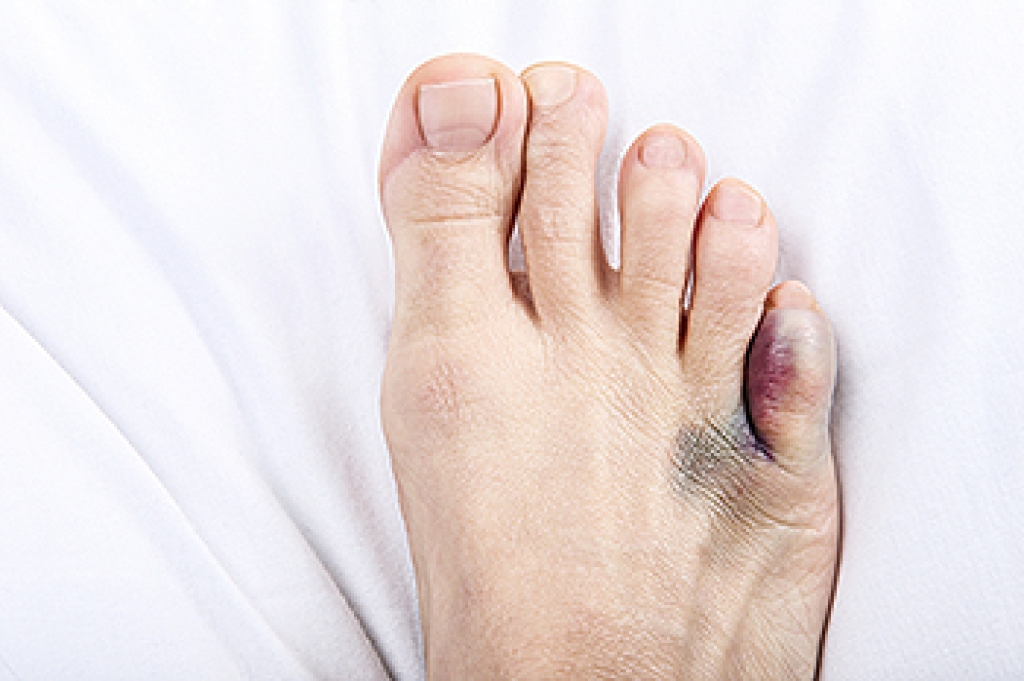
Pain in the pinky toe can develop for several reasons. Because the pinky toe sits on the outside edge of the foot, it is more likely to be bumped, stubbed, or injured. A direct impact can cause a fracture, which is a broken bone, or a sprain, which is a stretched or torn ligament that connects bones. Repeated stress from running, jumping, or other high-impact activities can also lead to small cracks in the bone. Tight-fitting shoes are another common cause of pinky toe pain. A painful corn, which is an area of thickened skin caused by friction, can also develop on or around the pinky toe.

Structural problems in the foot may contribute to pinky toe pain. Some people develop a tailor's bunion, which is a bony bump that forms near the base of the pinky toe. This can become irritated when it rubs against footwear. Other toe shape changes can place extra pressure on the pinky toe and nearby joints. These problems can lead to redness, swelling, and discomfort while walking. In some cases, the toe can become partially or completely dislocated, meaning the bones move out of their normal position. This type of injury can cause severe pain, bruising, and difficulty putting weight on the foot.

A podiatrist can determine the cause of pinky toe pain through a physical examination, X-rays, and other imaging scans. Treatment depends on the source and severity of the problem. Care may include immobilization with a walking boot, protective padding, or custom orthotics to reduce pressure. A podiatrist may also recommend footwear changes to improve comfort and support. More severe injuries or structural problems may require surgery to restore proper alignment and relieve pain. If you have injured a pinky toe, it is suggested that you make an appointment with a podiatrist for an exam and diagnosis.

Toe pain can disrupt your daily activities. If you have any concerns, contact one of our podiatrists of Piedmont Podiatry Associates. Our doctors can provide the care you need to keep you pain-free and on your feet.

What Causes Toe Pain?

Most severe toe pain is caused due to a sports injury, trauma from dropping something heavy on the toe, or bumping into something rigid. Other problems can develop over time for various reasons.

Toe pain can be caused by one or more ailments. The most common include:

  • Trauma
  • Sports injury
  • Wearing shoes that are too tight
  • Arthritis
  • Gout
  • Corns and calluses
  • Hammertoe
  • Bunions
  • Blisters
  • Ingrown toenails
  • Sprains
  • Fractures (broken bones)
  • Dislocations

When to See a Podiatrist

  • Severe pain
  • Persistent pain that lasts more than a week
  • Signs of infection
  • Continued swelling
  • Pain that prevents walking

Diagnosis

In many cases the cause of toe pain is obvious, but in others, a podiatrist may want to use more advanced methods to determine the problem. These can range from simple visual inspections and sensation tests to X-rays and MRI scans. Prior medical history, family medical history, and any recent physical traumatic events will all be taken into consideration for a proper diagnosis.

Treatment

Treatments for toe pain and injuries vary and may include shoe inserts, padding, taping, medicines, injections, and in some cases, surgery. If you believe that you have broken a toe, please see a podiatrist as soon as possible.

If you have any questions please contact one of our offices located in Greenville, and Easley, SC . We offer the newest diagnostic and treatment technologies for all your foot and ankle needs.
Read more about Toe Pain

What to Do if Your Foot Blister Pops

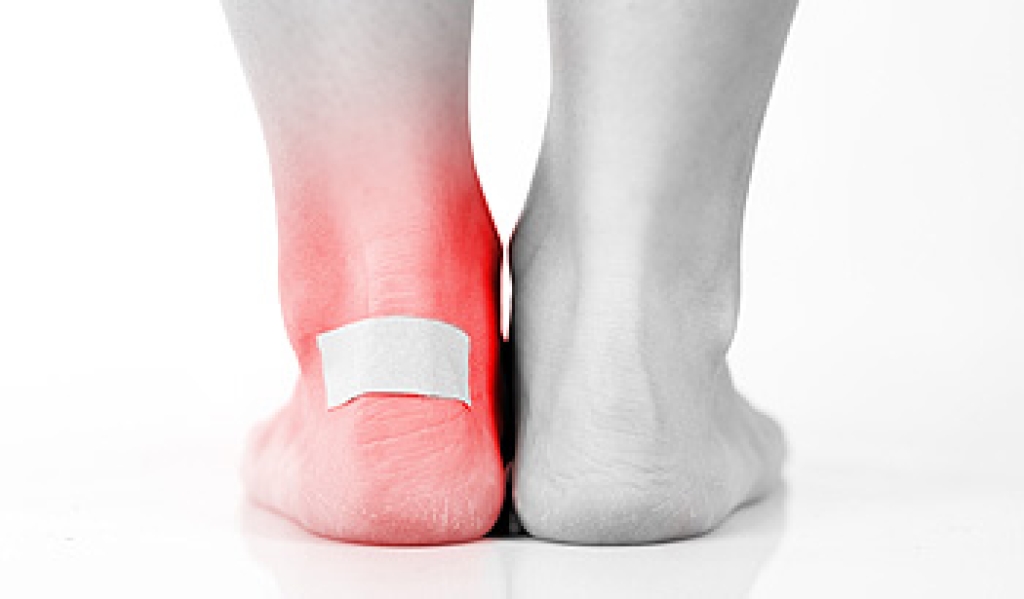
Blisters are fluid-filled pockets of skin that often occur on the feet as a result of friction. When a blister forms, you should avoid popping it, because draining the liquid within the blister leaves the raw skin beneath it exposed and vulnerable to infection. However, sometimes a blister pops or tears open on its own. When this happens, start with washing the area gently with clean water. Then, carefully smooth the flap of skin left behind from the popped blister over the tender, exposed skin beneath. Do not remove this flap of skin unless it is very dirty, torn, or has pus underneath it. Cover the area with a thin layer of petroleum jelly and a nonstick bandage. It is then a good idea to have the blister checked out by a podiatrist. If you have a particularly painful blister, notice signs of infection, or are prone to foot blisters, it is suggested that you make an appointment with a podiatrist. 

Blisters are prone to making everyday activities extremely uncomfortable. If your feet are hurting, contact one of our podiatrists of Piedmont Podiatry Associates. Our doctors can provide the care you need to keep you pain-free and on your feet.

Foot Blisters

Foot blisters develop as a result of constantly wearing tight or ill-fitting footwear. This happens due to the constant rubbing from the shoe, which can often lead to pain.

What Are Foot Blisters?

A foot blister is a small fluid-filled pocket that forms on the upper-most layer of the skin. Blisters are filled with clear fluid and can lead to blood drainage or pus if the area becomes infected.

How Do Blisters Form?

Blisters on the feet are often the result of constant friction of skin and material, usually by shoe rubbing. Walking in sandals, boots, or shoes that don’t fit properly for long periods of time can result in a blister. Having consistent foot moisture and humidity can easily lead to blister formation.

Prevention & Treatment

It is important to properly care for the affected area in order to prevent infection and ease the pain. Do not lance the blister and use a Band-Aid to provide pain relief. Also, be sure to keep your feet dry and wear proper fitting shoes. If you see blood or pus in a blister, seek assistance from a podiatrist.

If you have any questions, please feel free to contact one of our offices located in Greenville, and Easley, SC . We offer the newest diagnostic and treatment technologies for all your foot care needs.

Read more about Blisters

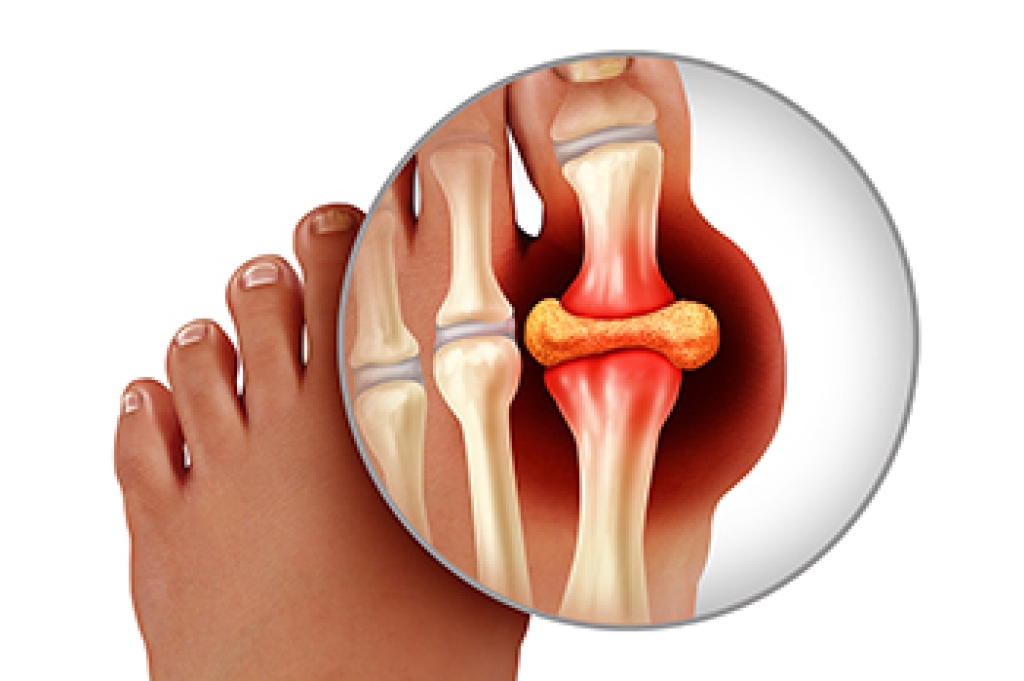
Gout and Pain in the Big Toe

Gout is a form of inflammatory arthritis caused by the buildup of urate crystals in the joints. These crystals form when uric acid levels in the body become elevated, leading to sudden and painful flare-ups. The big toe is commonly affected because of stress and lower temperature in the joint. Risk factors include male gender, alcohol intake, certain diets, and underlying health conditions. Symptoms include severe pain in the big toe, swelling, redness, and tenderness in the foot. The discomfort can appear quickly and limit movement. A podiatrist can help manage symptoms, provide guidance on lifestyle changes, and recommend treatments to reduce inflammation. If you have symptoms of gout, it is suggested that you are under the care of a podiatrist who can offer relief and management tips for this painful condition.

Gout is a foot condition that requires certain treatment and care. If you are seeking treatment, contact one of our podiatrists from Piedmont Podiatry Associates. Our doctors will treat your foot and ankle needs.

What Is Gout?

Gout is a type of arthritis caused by a buildup of uric acid in the bloodstream. It often develops in the foot, especially the big toe area, although it can manifest in other parts of the body as well. Gout can make walking and standing very painful and is especially common in diabetics and the obese.

People typically get gout because of a poor diet. Genetic predisposition is also a factor. The children of parents who have had gout frequently have a chance of developing it themselves.

Gout can easily be identified by redness and inflammation of the big toe and the surrounding areas of the foot. Other symptoms include extreme fatigue, joint pain, and running high fevers. Sometimes corticosteroid drugs can be prescribed to treat gout, but the best way to combat this disease is to get more exercise and eat a better diet.

If you have any questions, please feel free to contact one of our offices located in Greenville, and Easley, SC . We offer the newest diagnostic and treatment technologies for all your foot care needs.

Read more about Gout

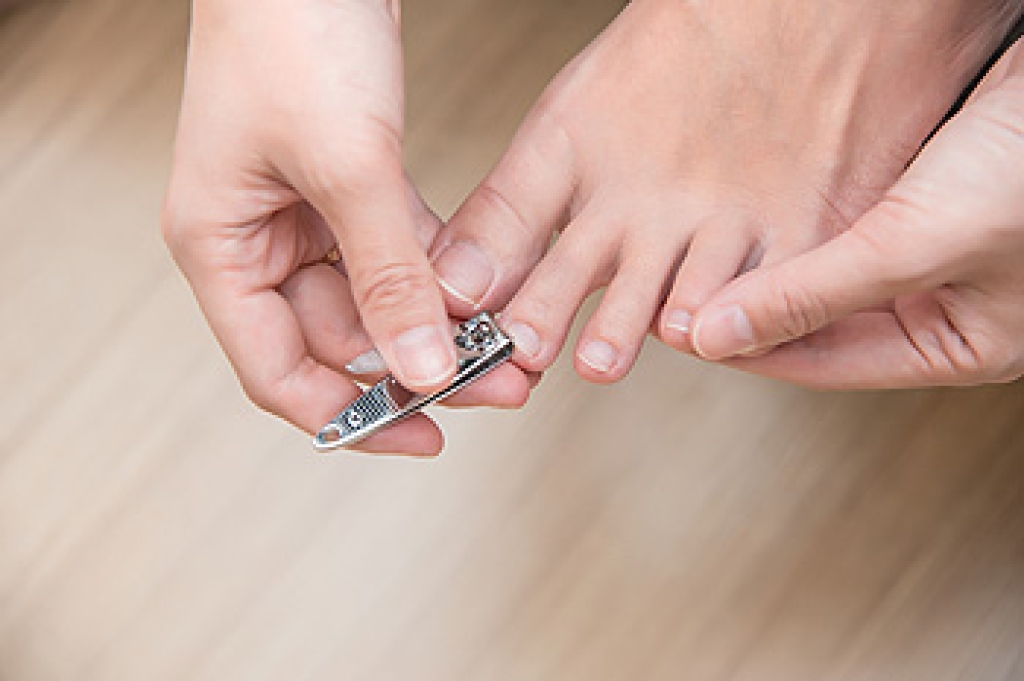
Safe Toenail Trimming as You Age

Toenail trimming is a basic part of foot care, but it can become more difficult with age. Reduced flexibility, joint stiffness, and vision changes can make it harder to reach the feet or see the nails clearly. This may lead to nails being cut unevenly or too short, which can cause pain or increase the risk of ingrown nails and infection. Thickened nails are also more common with age, adding another challenge. What begins as a simple task can turn into a source of discomfort if not done properly. A podiatrist can safely trim nails, assess nail health, and identify early signs of fungal infection or other concerns. Regular visits can help prevent complications and maintain comfort while walking. If you have developed toenail problems or if it has become difficult to properly trim your nails, it is suggested that you consult a podiatrist who can help you with this important task. 

Everyday foot care is very important to prevent infection and other foot ailments. If you need your feet checked, contact one of our podiatrists from Piedmont Podiatry Associates. Our doctors can provide the care you need to keep you pain-free and on your feet.

Everyday Foot Care

Often, people take care of their bodies, face and hair more so than they do for their feet. But the feet are a very important aspect of our bodies, and one that we should pay more attention to. Without our feet, we would not be able to perform most daily tasks.

It is best to check your feet regularly to make sure there are no new bruises or cuts that you may not have noticed before. For dry feet, moisturizer can easily be a remedy and can be applied as often as necessary to the affected areas. Wearing shoes that fit well can also help you maintain good foot health, as well as making it easier to walk and do daily activities without the stress or pain of ill-fitting shoes, high heels, or even flip flops. Wearing clean socks with closed shoes is important to ensure that sweat and bacteria do not accumulate within the shoe. Clean socks help to prevent Athlete’s foot, fungi problems, bad odors, and can absorb sweat.

If you have any questions, please feel free to contact one of our offices located in Greenville, and Easley, SC . We offer the newest diagnostic and treatment technologies for all your foot care needs.

Read more about Every Day Foot Care

Burning Pain Between the Toes

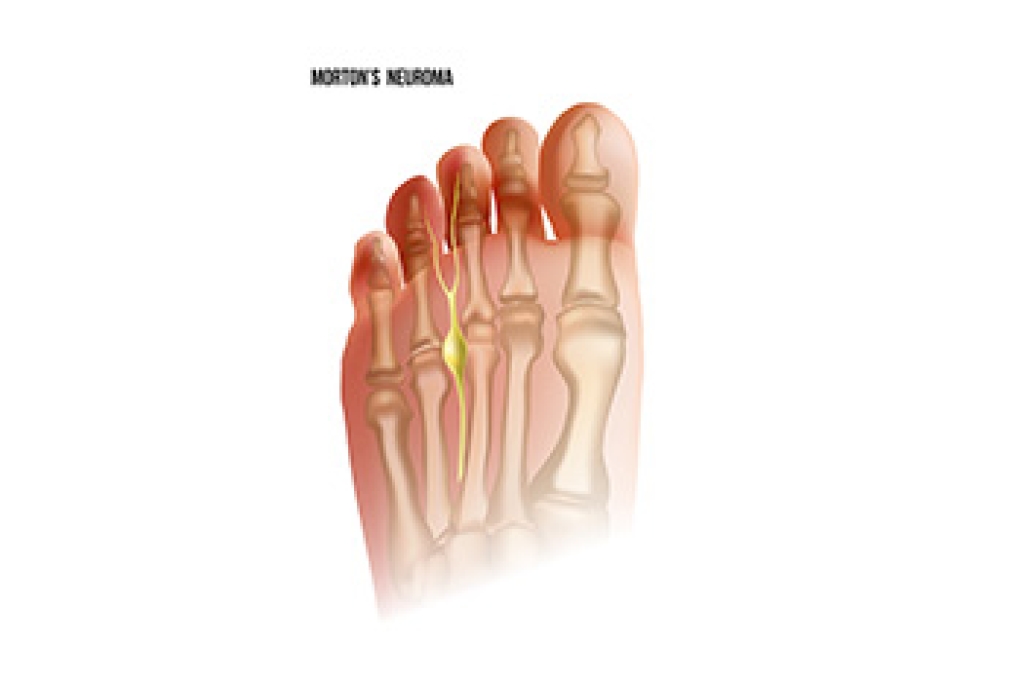
Morton’s neuroma develops when tissue surrounding a nerve in the ball of the foot becomes thickened and irritated. Pain is most commonly felt between the third and fourth toes. This irritation can cause burning pain, tingling, numbness, or the feeling that there is a pebble inside the shoe. Some patients notice sharp shooting pain that worsens while walking, standing for long periods of time, or wearing tight or narrow footwear. The front of the foot may feel swollen or sensitive, even when there is little visible change. Repeated pressure on the nerve from high heels, certain sports, or abnormal foot structure can contribute to the problem. A podiatrist can evaluate the symptoms, examine the foot, and determine whether the nerve is compressed or inflamed. Treatment may include footwear changes, targeted exercises, and injections. If you have symptoms of Morton’s neuroma, it is suggested that you schedule an appointment with a podiatrist for effective relief and treatment solutions.

Morton’s neuroma is a very uncomfortable condition to live with. If you think you have Morton’s neuroma, contact one of our podiatrists of Piedmont Podiatry Associates. Our doctors will attend to all of your foot care needs and answer any of your related questions.  

Morton’s Neuroma

Morton's neuroma is a painful foot condition that commonly affects the areas between the second and third or third and fourth toe, although other areas of the foot are also susceptible. Morton’s neuroma is caused by an inflamed nerve in the foot that is being squeezed and aggravated by surrounding bones.

What Increases the Chances of Having Morton’s Neuroma?

  • Ill-fitting high heels or shoes that add pressure to the toe or foot
  • Jogging, running or any sport that involves constant impact to the foot
  • Flat feet, bunions, and any other foot deformities

Morton’s neuroma is a very treatable condition. Orthotics and shoe inserts can often be used to alleviate the pain on the forefront of the feet. In more severe cases, corticosteroids can also be prescribed. In order to figure out the best treatment for your neuroma, it’s recommended to seek the care of a podiatrist who can diagnose your condition and provide different treatment options.

If you have any questions, please feel free to contact one of our offices located in Greenville, and Easley, SC . We offer the newest diagnostic and treatment technologies for all your foot care needs.

Read more about Morton's Neuroma
Connect With Us