


Custom orthotics, or shoe inserts, should be periodically replaced. Orthotics must fit properly to give you the best results. Protect your feet and ankles!
Custom orthotics, or shoe inserts, should be periodically replaced. Orthotics must fit properly to give you the best results. Protect your feet and ankles!
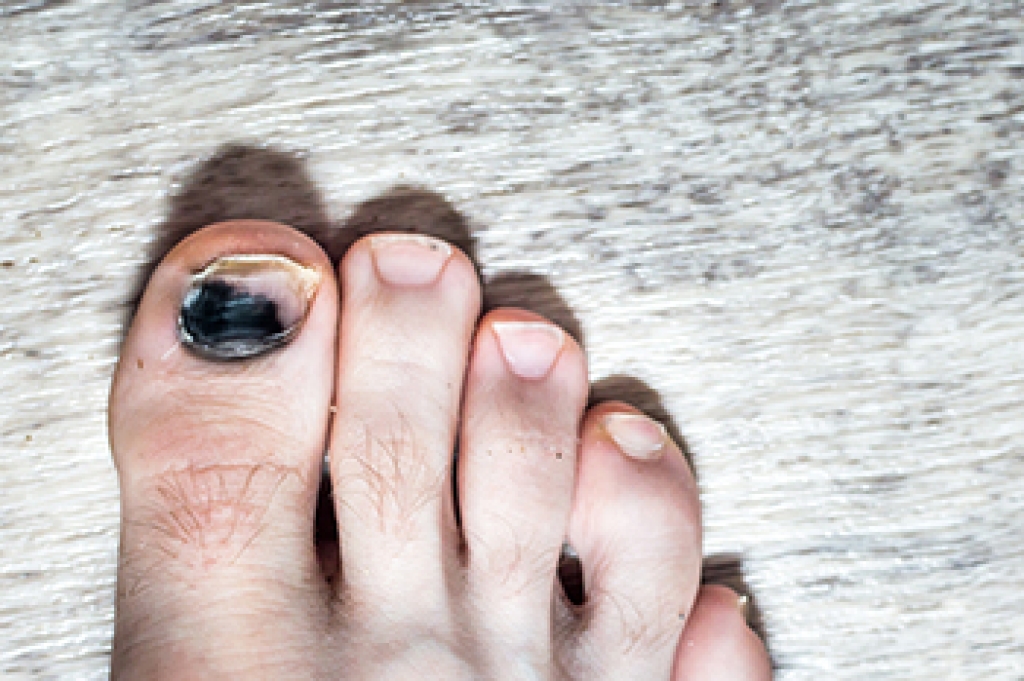
A bruised toenail, also called a subungual hematoma, develops when blood collects beneath the nail after the nail bed is injured. This commonly happens when a toe is hit, crushed, or repeatedly pressed inside a shoe. Pressure can damage tiny blood vessels beneath the nail, causing blood to become trapped under the nail plate. A bruised toenail may look concerning, but many cases improve as the nail grows out.
Discoloration is one of the most noticeable symptoms. The nail may turn red, dark brown, or nearly black as blood collects underneath it. Throbbing pain can occur soon after an injury, especially when pressure builds beneath the nail. The toe may also feel tender when touched or when wearing shoes. In some cases, the nail loosens as the injury heals. Severe pain, increasing swelling, or drainage may signal a more serious injury or infection.
Direct injury is a common cause of a bruised toenail. Dropping something on the toe, stubbing it, or having the toe caught in an accident can cause bleeding beneath the nail. Repeated pressure can also create a bruise, especially when shoes are too tight or toes repeatedly strike the front of footwear during running. Activities that place repeated stress on the feet can increase risk.
A podiatrist will examine the toe and nail to determine whether the discoloration is from an injury or another condition. X-rays may be recommended when a fracture is suspected. If blood has created significant pressure and pain, the podiatrist may drain the trapped blood to relieve discomfort. The toe may then be properly protected while the nail grows out. More serious injuries may require additional treatment and follow-up care. If you have a bruised toenail, it is suggested that you consult a podiatrist for effective relief and treatment solutions.
Toe pain can disrupt your daily activities. If you have any concerns, contact one of our podiatrists of Piedmont Podiatry Associates. Our doctors can provide the care you need to keep you pain-free and on your feet.
What Causes Toe Pain?
Most severe toe pain is caused due to a sports injury, trauma from dropping something heavy on the toe, or bumping into something rigid. Other problems can develop over time for various reasons.
Toe pain can be caused by one or more ailments. The most common include:
When to See a Podiatrist
Diagnosis
In many cases the cause of toe pain is obvious, but in others, a podiatrist may want to use more advanced methods to determine the problem. These can range from simple visual inspections and sensation tests to X-rays and MRI scans. Prior medical history, family medical history, and any recent physical traumatic events will all be taken into consideration for a proper diagnosis.
Treatment
Treatments for toe pain and injuries vary and may include shoe inserts, padding, taping, medicines, injections, and in some cases, surgery. If you believe that you have broken a toe, please see a podiatrist as soon as possible.
If you have any questions please contact one of our offices located in Greenville, and Easley, SC . We offer the newest diagnostic and treatment technologies for all your foot and ankle needs.

Hammertoe is a foot deformity that causes a toe to bend downward at the middle joint. It most often affects the second, third, or fourth toe. The affected toe may look curled or raised near its base, with the middle joint pointing downward. Symptoms can include pain, stiffness, and difficulty wearing shoes. Corns or calluses may develop where the bent toe rubs against footwear. Without treatment, hammertoe can become more rigid and uncomfortable.
Hammertoe may develop because of muscle imbalance, inherited foot structure, or shoes that squeeze the toes. Risk factors include family history, aging, previous foot injuries, and wearing narrow footwear for most of the day. High heels can also increase pressure on the front of the foot. Hammertoe in the early stages may remain flexible, allowing the toe to move with pressure. As the deformity progresses, the joint may become stiff and fixed, making walking uncomfortable.
A podiatrist begins by examining the toe, checking its flexibility, and reviewing symptoms and footwear habits. Mild hammertoe may be treated with roomier shoes, padding, or orthotics. When the deformity causes persistent pain or becomes rigid, hammertoe surgery may be considered. Surgical correction depends on the severity and structure of the toe. The podiatrist may straighten the joint, release tight tissues, or remove a small portion of bone. The goal is to improve alignment and reduce painful pressure.
After surgery, the toe is protected with dressing, footwear, or immobilization while healing begins. Weight-bearing instructions depend on the procedure performed. Follow-up visits allow the podiatrist to check healing and monitor alignment. Recovery may also include gentle exercises to restore movement and strength. Do not ignore a toe that gradually becomes curled, painful, or difficult to fit into shoes. If you have hammertoe, it is suggested that you consult a podiatrist for effective treatment solutions, which may include surgery for relief and comfort.
Foot surgery is sometimes necessary to treat a foot ailment. To learn more, contact one of our podiatrists of Piedmont Podiatry Associates. Our doctors will assist you with all of your foot and ankle needs.
When Is Surgery Necessary?
Foot and ankle surgery is generally reserved for cases in which less invasive, conservative procedures have failed to alleviate the problem. Some of the cases in which surgery may be necessary include:
What Types of Surgery Are There?
The type of surgery you receive will depend on the nature of the problem you have. Some of the possible surgeries include:
Benefits of Surgery
Although surgery is usually a last resort, it can provide more complete pain relief compared to non-surgical methods and may allow you to finally resume full activity.
Surgical techniques have also become increasingly sophisticated. Techniques like endoscopic surgery allow for smaller incisions and faster recovery times.
If you have any questions, please feel free to contact one of our offices located in Greenville, and Easley, SC . We offer the newest diagnostic and treatment technologies for all your foot care needs.

Foot blisters from hiking are small, fluid-filled pockets caused by repeated friction and pressure. They commonly develop on the heels, toes, or soles after hikes. Symptoms include tenderness, redness, and a raised area that hurts during walking. Risk factors include long-distance hiking, hot weather, and increasing hiking time. Wearing new footwear can also increase friction. People with sensitive skin may be more likely to develop hiking blisters.
Friction is the main cause of hiking blisters. Socks that bunch can rub against skin, while cotton socks may hold moisture and cause irritation. Tight shoes can press against the toes, while loose shoes allow excessive foot movement. Poorly fitted hiking boots may create pressure points on uneven trails. Wet conditions can soften the skin, making friction more damaging. Together, these issues can make hiking uncomfortable.
Preventing hiking blisters starts with properly fitted hiking shoes and moisture-managing socks. Choose hiking socks and replace them when they become damp. It is helpful to break new boots gradually before a trail. Apply protective blister pads to areas that commonly rub, and check for hot spots. If a blister forms, keep it clean and covered rather than popping it. A podiatrist can examine the blister, clean it when needed, and protect damaged skin.
Most hiking blisters improve when friction is reduced and the skin is protected. Increasing redness, warmth, or worsening pain may indicate infection. People with diabetes or circulation concerns should seek foot care promptly because minor injuries may require closer monitoring. A podiatrist can identify footwear or foot mechanics that contribute to recurring blisters and provide prevention guidance. If you have foot blisters from hiking, it is suggested that you consult a podiatrist for effective relief and prevention tips.
Blisters may appear as a single bubble or in a cluster. They can cause a lot of pain and may be filled with pus, blood, or watery serum. If your feet are hurting, contact one of our podiatrists of Piedmont Podiatry Associates. Our doctors can provide the care you need to keep you pain-free and on your feet.
Foot Blisters
Foot blisters are often the result of friction. This happens due to the constant rubbing from shoes, which can lead to pain.
What Are Foot Blisters?
A foot blister is a small fluid-filled pocket that forms on the upper-most layer of the skin. Blisters are filled with clear fluid and can lead to blood drainage or pus if the area becomes infected.
Symptoms
(Blister symptoms may vary depending on what is causing them)
Prevention & Treatment
In order to prevent blisters, you should be sure to wear comfortable shoes with socks that cushion your feet and absorb sweat. Breaking a blister open may increase your chances of developing an infection. However, if your blister breaks, you should wash the area with soap and water immediately and then apply a bandage to the affected area. If your blisters cause severe pain it is important that you call your podiatrist right away.
If you have any questions, please feel free to contact one of our offices located in Greenville, and Easley, SC . We offer the newest diagnostic and treatment technologies for all your foot care needs.
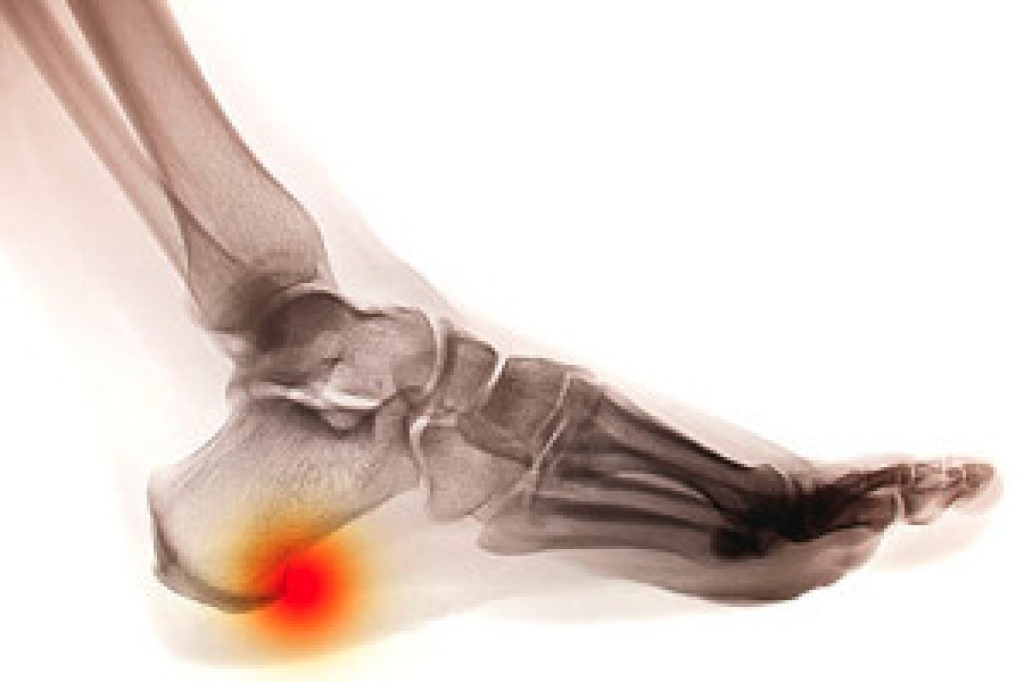
A heel spur is a bony growth that develops along the underside or back of the heel bone. It forms when ongoing stress causes calcium deposits to build up over time. Although a heel spur may appear on an X-ray, it does not always cause pain. Common symptoms include heel pain, tenderness, and discomfort after rest. Several factors can contribute to heel spur development. Understanding these factors can help you make informed choices about foot care. Pain may be strongest with the first steps in the morning.
Age is one risk factor because cushioning and flexibility can change over time. Excessive weight can place additional pressure on the heels during daily activities. Poor foot function may also contribute when abnormal walking mechanics increase stress on the heel. Other risk factors include prolonged standing, repetitive activity, and tight calf muscles. A history of plantar fasciitis may also increase the likelihood of developing a heel spur.
When heel pain continues, a podiatrist begins with a discussion of symptoms and a foot examination. X-rays may identify a heel spur and evaluate the heel bone. The podiatrist may recommend activity changes, heel cushions, or custom orthotics to reduce pressure. Treatment can also include medication when appropriate to manage inflammation and pain. If symptoms persist, additional podiatric treatments may be considered based on the cause and severity of the condition.
A heel spur can sound concerning, especially when pain affects your routine, but the presence of a spur does not automatically mean surgery is necessary. Early evaluation can help you understand why your heel hurts and what steps may improve comfort. If you have persistent heel pain or a heel spur, it is suggested that you consult a podiatrist for an accurate diagnosis and appropriate treatment.
Heel spurs can be incredibly painful and sometimes may make you unable to participate in physical activities. To get medical care for your heel spurs, contact one of our podiatrists from Piedmont Podiatry Associates. Our doctors will do everything possible to treat your condition.
Heels Spurs
Heel spurs are formed by calcium deposits on the back of the foot where the heel is. This can also be caused by small fragments of bone breaking off one section of the foot, attaching onto the back of the foot. Heel spurs can also be bone growth on the back of the foot and may grow in the direction of the arch of the foot.
Older individuals usually suffer from heel spurs and pain sometimes intensifies with age. One of the main condition's spurs are related to is plantar fasciitis.
Pain
The pain associated with spurs is often because of weight placed on the feet. When someone is walking, their entire weight is concentrated on the feet. Bone spurs then have the tendency to affect other bones and tissues around the foot. As the pain continues, the feet will become tender and sensitive over time.
Treatments
There are many ways to treat heel spurs. If one is suffering from heel spurs in conjunction with pain, there are several methods for healing. Medication, surgery, and herbal care are some options.
If you have any questions, please feel free to contact one of our offices located in Greenville, and Easley, SC . We offer the newest diagnostic and treatment technologies for all your foot care needs.