


Gout is a painful, inflammatory form of arthritis. Those affected will typically feel an intense stiffness in the joints of their feet, particularly in the big toe. Schedule a visit to learn about how gout can be managed and treated.
Gout is a painful, inflammatory form of arthritis. Those affected will typically feel an intense stiffness in the joints of their feet, particularly in the big toe. Schedule a visit to learn about how gout can be managed and treated.
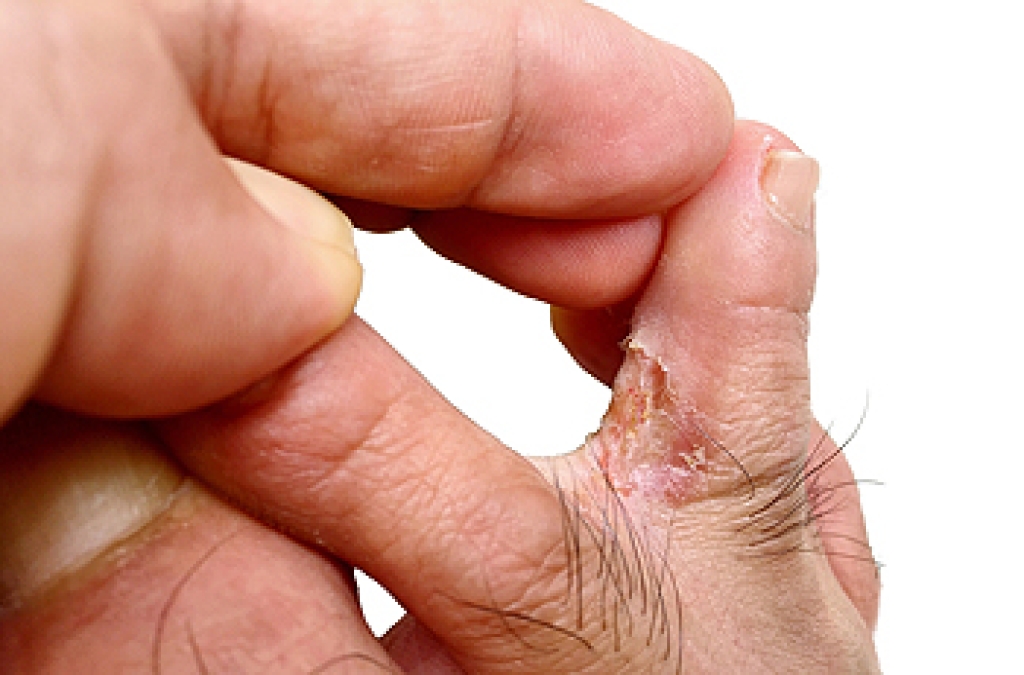
Athlete’s foot is a fungal skin infection that commonly affects the feet, especially the spaces between the toes. It develops when fungi grow in warm, moist environments and spread across the outer layer of skin. This condition is contagious and can be transmitted through shared surfaces such as locker rooms and showers. In some cases, small bumps may appear along with other skin changes, which can make the infection more noticeable. Understanding how to identify athlete’s foot early can help prevent progression and reduce discomfort.
Symptoms of athlete’s foot often include itching, burning, and irritation of the skin. The affected area may appear red, flaky, or cracked, particularly between the toes. Some individuals develop small fluid-filled bumps that may cause additional sensitivity. The skin can become soft or soggy due to excess moisture, and an unpleasant odor may also be present. These symptoms may worsen with continued exposure to damp conditions or tight footwear.
Several causes contribute to the development of athlete’s foot. Fungi thrive in consistently warm and damp environments, making sweaty feet and enclosed shoes a common factor. Walking barefoot in public areas increases exposure to infectious organisms. Additional contributing factors include minor skin injuries and poor hygiene habits. Individuals with a weakened immune system, a genetic predisposition, or poor circulation may be more vulnerable to infection and slower healing.
Risk factors include frequent use of communal facilities, prolonged moisture exposure, and wearing non-breathable shoes. People who experience excessive sweating or have underlying health conditions may face increased risk. Identifying athlete’s foot involves recognizing persistent itching, peeling skin, and the presence of bumps or irritation in typical areas. Early treatment and proper foot care can prevent spread and recurrence. If you have athlete’s foot or related bumps, it is suggested that you consult a podiatrist for effective relief and treatment solutions, which may include prescribed medication.
Athlete’s foot is an inconvenient condition that can be easily reduced with the proper treatment. If you have any concerns about your feet and ankles, contact one of our podiatrists from Piedmont Podiatry Associates. Our doctors will treat your foot and ankle needs.
Athlete’s Foot: The Sole Story
Athlete's foot, also known as tinea pedis, can be an extremely contagious foot infection. It is commonly contracted in public changing areas and bathrooms, dormitory style living quarters, around locker rooms and public swimming pools, or anywhere your feet often come into contact with other people.
Solutions to Combat Athlete’s Foot
Athlete’s foot can cause many irritating symptoms such as dry and flaking skin, itching, and redness. Some more severe symptoms can include bleeding and cracked skin, intense itching and burning, and even pain when walking. In the worst cases, Athlete’s foot can cause blistering as well. Speak to your podiatrist for a better understanding of the different causes of Athlete’s foot, as well as help in determining which treatment options are best for you.
If you have any questions please feel free to contact one of our offices located in Greenville, and Easley, SC . We offer the newest diagnostic and treatment technologies for all your foot and ankle needs.
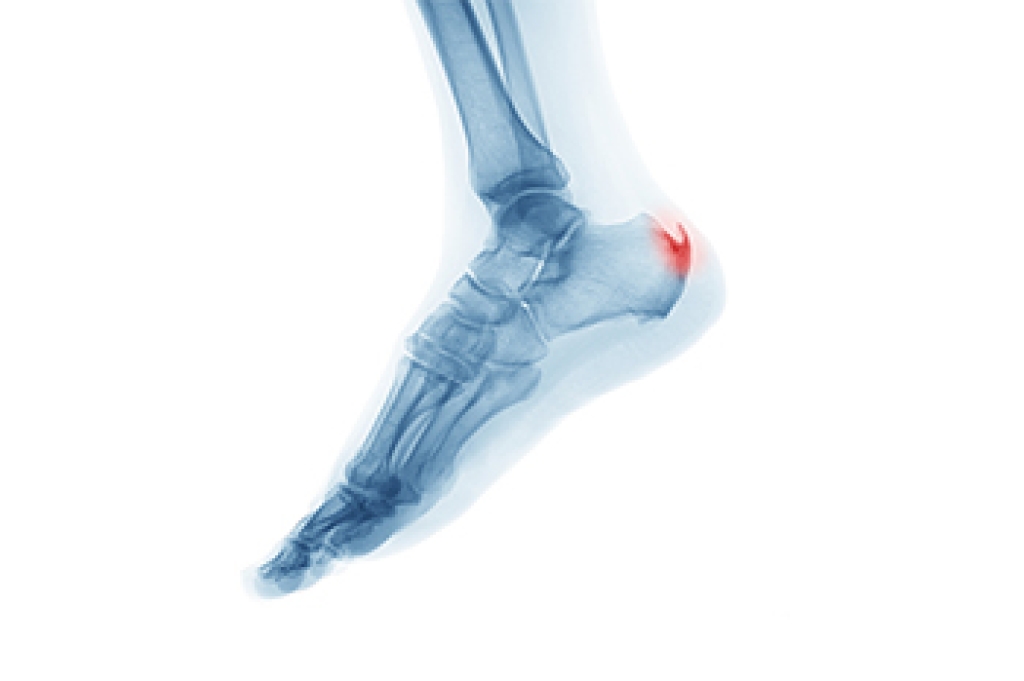
Heel spurs are calcium deposits that create a pointed extension of bone on the heel. These growths are typically found either under the sole where the plantar fascia attaches, or at the back of the heel near the Achilles tendon. They are considered a common source of heel pain and are often linked to long term stress on the connective tissues of the foot. Although heel spurs can exist without symptoms, they are frequently associated with discomfort that affects daily mobility.
Symptoms often begin as mild irritation but can progress into more noticeable pain. Individuals may feel a sharp or stabbing sensation under the heel when taking initial steps after rest. The discomfort can shift into a dull ache after prolonged standing or walking. In some cases, swelling and localized tenderness develop. When the spur forms at the back of the heel, it may cause stiffness and pain when wearing shoes or during physical activity.
Risk factors for heel spurs include repetitive strain from high-impact activities, wearing improper footwear that lacks arch support, and occupations that require long periods of time standing. Age also plays a role, as the plantar fascia loses elasticity over time. Tight calf muscles and limited ankle flexibility can increase tension on the heel, further contributing to spur formation. Conditions such as obesity and poor foot mechanics also elevate the risk.
Heel spurs develop as the body responds to chronic pulling of the plantar fascia on the heel bone. Addressing the underlying cause is essential for long-term relief. Stretching exercises, wearing supportive shoes, and early evaluation can reduce strain and improve function. If heel pain continues, it is suggested that you seek care from a podiatrist who can accurately diagnose and effectively treat heel spurs.
Heel spurs can be incredibly painful and sometimes may make you unable to participate in physical activities. To get medical care for your heel spurs, contact one of our podiatrists from Piedmont Podiatry Associates. Our doctors will do everything possible to treat your condition.
Heels Spurs
Heel spurs are formed by calcium deposits on the back of the foot where the heel is. This can also be caused by small fragments of bone breaking off one section of the foot, attaching onto the back of the foot. Heel spurs can also be bone growth on the back of the foot and may grow in the direction of the arch of the foot.
Older individuals usually suffer from heel spurs and pain sometimes intensifies with age. One of the main condition's spurs are related to is plantar fasciitis.
Pain
The pain associated with spurs is often because of weight placed on the feet. When someone is walking, their entire weight is concentrated on the feet. Bone spurs then have the tendency to affect other bones and tissues around the foot. As the pain continues, the feet will become tender and sensitive over time.
Treatments
There are many ways to treat heel spurs. If one is suffering from heel spurs in conjunction with pain, there are several methods for healing. Medication, surgery, and herbal care are some options.
If you have any questions, please feel free to contact one of our offices located in Greenville, and Easley, SC . We offer the newest diagnostic and treatment technologies for all your foot care needs.
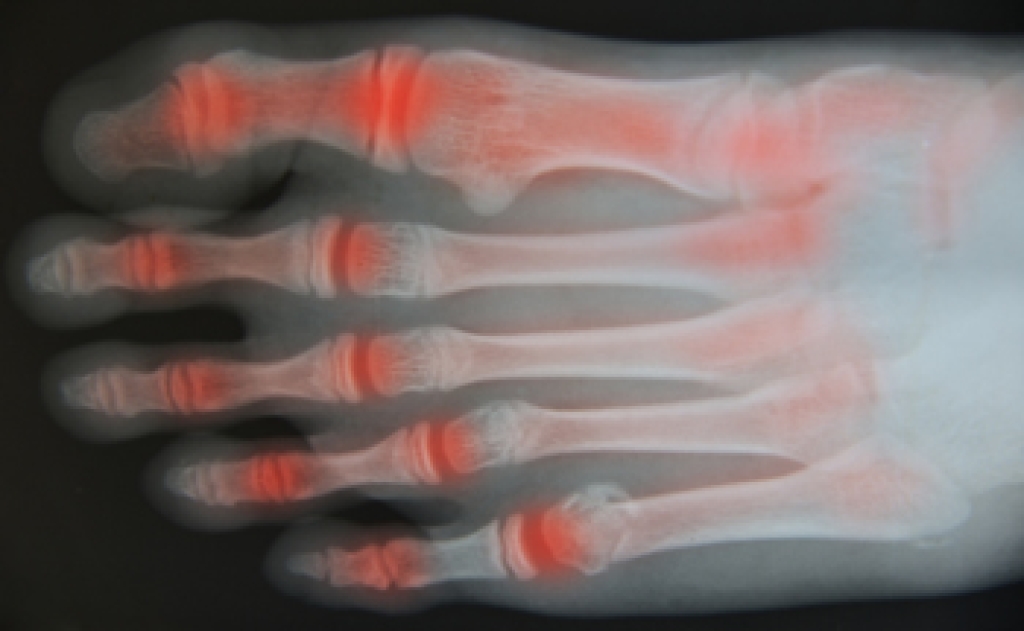
Rheumatoid arthritis causes the body to attack healthy joints, and the feet are commonly affected. This condition can lead to pain, swelling, and stiffness. It commonly affects the toes, arches, and ankles. Symptoms include discomfort in both feet at the same time, especially when getting out of bed or when walking after resting. Rheumatoid arthritis can also change the shape of the feet. Some people develop bunions, curled toes, or flat feet because the joints become weak and unstable. Pain in the ball of the foot is also common and can make standing or walking difficult. Swollen joints may feel warm and tender, and wearing shoes can become uncomfortable. A podiatrist can examine the feet, recommend supportive shoes, and provide custom orthotics that help reduce pain and improve movement. If you have foot pain that may be linked to arthritis, it is suggested that you make an appointment with a podiatrist for an exam and treatment options.
Foot Pain
Foot pain can be extremely painful and debilitating. If you have a foot pain, consult with one of our podiatrists from Piedmont Podiatry Associates. Our doctors will assess your condition and provide you with quality foot and ankle treatment.
Causes
Foot pain is a very broad condition that could be caused by one or more ailments. The most common include:
Diagnosis
To figure out the cause of foot pain, podiatrists utilize several different methods. This can range from simple visual inspections and sensation tests to X-rays and MRI scans. Prior medical history, family medical history, and any recent physical traumatic events will all be taken into consideration for a proper diagnosis.
Treatment
Treatment depends upon the cause of the foot pain. Whether it is resting, staying off the foot, or having surgery; podiatrists have a number of treatment options available for foot pain.
If you have any questions, please feel free to contact one of our offices located in Greenville, and Easley, SC . We offer the newest diagnostic and treatment technologies for all your foot care needs.
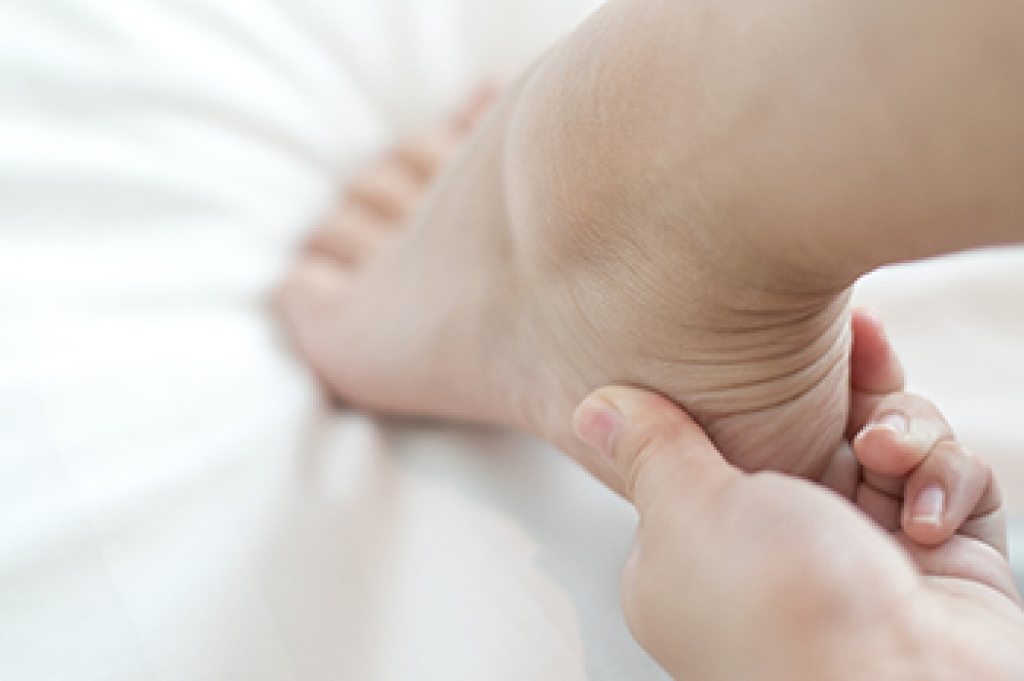
Sever's disease is one of the most frequent causes of heel pain in active children. It occurs when repetitive stress affects the growth plate in the heel, leading to irritation and discomfort. As children grow, their bones develop quickly, while muscles and tendons may remain tight. This creates increased tension at the heel, particularly during sports and physical activity. The condition is most often seen in children between 8 and 14 years old who are involved in activities that require running and jumping.
Common symptoms include heel pain that worsens with activity and improves with rest. Children may complain of soreness after sports or physical education. Limping or favoring one foot is also common, especially after prolonged activity. The heel may feel tender to the touch, and pressure can increase discomfort. These symptoms may come and go but tend to return if the underlying cause is not addressed.
Several risk factors increase the likelihood of developing Sever's disease. Rapid growth during adolescence is a primary factor, as it affects the balance between bones and soft tissues. High impact sports, tight calf muscles, and lack of proper shoe support can all contribute. Children with flat feet or high arches may place uneven stress on the heel, increasing irritation. Understanding these risks can help guide prevention and early care.
Treatment focuses on relieving stress on the heel and promoting healing. Rest, stretching, and wearing supportive shoes are key components of recovery. Heel cushions and orthotic devices can provide additional support and reduce impact. Early management allows children to remain active while minimizing discomfort. If your active child has heel pain, it is suggested that you consult a podiatrist for an accurate diagnosis and effective relief and management tips.
Sever's disease often occurs in children and teens. If your child is experiencing foot or ankle pain, see one of our podiatrists from Piedmont Podiatry Associates. Our doctors can treat your child’s foot and ankle needs.
Sever’s Disease
Sever’s disease is also known as calcaneal apophysitis, which is a medical condition that causes heel pain I none or both feet. The disease is known to affect children between the ages of 8 and 14.
Sever’s disease occurs when part of the child’s heel known as the growth plate (calcaneal epiphysis) is attached to the Achilles tendon. This area can suffer injury when the muscles and tendons of the growing foot do not keep pace with bone growth. Therefore, the constant pain which one experiences at the back of the heel will make the child unable to put any weight on the heel. The child is then forced to walk on their toes.
Symptoms
Acute pain – Pain associated with Sever’s disease is usually felt in the heel when the child engages in physical activity such as walking, jumping and or running.
Highly active – Children who are very active are among the most susceptible in experiencing Sever’s disease, because of the stress and tension placed on their feet.
If you have any questions, please feel free to contact one of our offices located in Greenville, and Easley, SC . We offer the newest diagnostic and treatment technologies for all your foot care needs.