


If you are suffering from tenderness, pain, or stiffness in the joints of your feet or ankles, call us to schedule an appointment.
If you are suffering from tenderness, pain, or stiffness in the joints of your feet or ankles, call us to schedule an appointment.

A sprained toe occurs when a ligament is stretched or torn. Ligaments are strong bands of tissue that connect bones at a joint. This injury can affect any toe joint, including where the toe meets the foot. Pain, swelling, and bruising can begin soon after the injury. Patients can also have tenderness or trouble moving the toe. A severe sprain can make the joint feel unstable. In some cases a toe sprain may be mistaken for a fracture, because they have similar symptoms. Identifying the injury is important because they require different treatments.
A toe sprain is usually caused when the toe bends beyond its normal range. Stubbing the toe against furniture is one possible cause. The injury can also occur when the toe catches on the ground while the foot continues moving. Athletes face added risk because running, jumping, and quick changes in direction place extra force on the toes. A big-toe sprain caused by forceful upward bending is called turf toe. The severity depends on whether the ligament has mild damage, a partial tear, or a complete tear. A serious sprain can cause greater joint instability and require a longer recovery.
A podiatrist can examine the toe, check its movement, and test the joint’s stability. The examination also helps locate the damaged ligament. X-rays can rule out a fracture or other bone injury. Treatment depends on the location and severity of the sprain. A podiatrist can stabilize the toe with medical taping, a rigid-soled shoe, or a walking boot. They can also recommend changes to sports and work activities while the ligament heals. Many sprained toes heal in about three to six weeks, but severe injuries may take longer. Follow-up visits allow the podiatrist to check healing and help prevent lasting stiffness or joint problems. If you have sprained your toe, it is suggested that you schedule an appointment with a podiatrist for a diagnosis and appropriate treatment.
Toe pain can disrupt your daily activities. If you have any concerns, contact one of our podiatrists of Piedmont Podiatry Associates. Our doctors can provide the care you need to keep you pain-free and on your feet.
What Causes Toe Pain?
Most severe toe pain is caused due to a sports injury, trauma from dropping something heavy on the toe, or bumping into something rigid. Other problems can develop over time for various reasons.
Toe pain can be caused by one or more ailments. The most common include:
When to See a Podiatrist
Diagnosis
In many cases the cause of toe pain is obvious, but in others, a podiatrist may want to use more advanced methods to determine the problem. These can range from simple visual inspections and sensation tests to X-rays and MRI scans. Prior medical history, family medical history, and any recent physical traumatic events will all be taken into consideration for a proper diagnosis.
Treatment
Treatments for toe pain and injuries vary and may include shoe inserts, padding, taping, medicines, injections, and in some cases, surgery. If you believe that you have broken a toe, please see a podiatrist as soon as possible.
If you have any questions please contact one of our offices located in Greenville, and Easley, SC . We offer the newest diagnostic and treatment technologies for all your foot and ankle needs.

A bunion is a bony bump that forms at the base of the big toe as the joint gradually shifts out of its normal position. As the big toe begins to lean toward the smaller toes, the joint may become enlarged and painful. Bunions usually develop slowly and can become more noticeable over time. Several factors may contribute to their development, including inherited foot structure, certain inflammatory conditions, and prolonged stress on the joint. Common symptoms include pain, swelling, and redness around the base of the big toe. Some people also experience stiffness or difficulty wearing shoes comfortably. Because bunions tend to worsen gradually, a professional evaluation is important to determine the severity of the deformity and recommend the most appropriate treatment.
As a bunion progresses, it can affect the way the foot functions when walking and standing. The change in toe alignment may place extra pressure on other parts of the foot, increasing discomfort during everyday activities. In some cases, additional foot problems, such as calluses or hammertoes, may develop because of the altered position of the toes. Persistent pain may also change normal walking patterns and reduce overall mobility. A thorough podiatry examination helps evaluate joint alignment, foot mechanics, and the extent of the deformity. Early diagnosis allows treatment to begin before the condition causes greater pain or limits daily movement.
A podiatrist specializes in diagnosing and treating bunions while evaluating the overall health and function of the foot. Professional care focuses on relieving pain, improving foot function, and slowing the progression of the deformity. Treatment is tailored to each patient's condition and activity level while supporting long-term mobility. Regular podiatry visits also allow changes in the bunion to be monitored and treatment to be adjusted when necessary. If bunion pain is affecting your comfort or making it difficult to walk, it is suggested that you consult a podiatrist for an evaluation and appropriate treatment options.
If you are suffering from bunions, contact one of our podiatrists of Piedmont Podiatry Associates. Our doctors can provide the care you need to keep you pain-free and on your feet.
What Is a Bunion?
A bunion is formed of swollen tissue or an enlargement of boney growth, usually located at the base joint of the toe that connects to the foot. The swelling occurs due to the bones in the big toe shifting inward, which impacts the other toes of the foot. This causes the area around the base of the big toe to become inflamed and painful.
Why Do Bunions Form?
Genetics – Susceptibility to bunions are often hereditary
Stress on the feet – Poorly fitted and uncomfortable footwear that places stress on feet, such as heels, can worsen existing bunions
How Are Bunions Diagnosed?
Podiatrists often perform two tests – blood tests and x-rays – when trying to diagnose bunions, especially in the early stages of development. Blood tests help determine if the foot pain is being caused by something else, such as arthritis, while x-rays provide a clear picture of your bone structure to your provider.
How Are Bunions Treated?
If you have any questions, please feel free to contact one of our offices located in Greenville, and Easley, SC . We offer the newest diagnostic and treatment technologies for all your foot care needs.

Rheumatoid arthritis, often referred to as RA, is a chronic autoimmune condition in which the immune system mistakenly attacks the lining of the joints. This attack targets the connective tissue that supports and cushions the joints, leading to inflammation and damage over time. Unlike wear-and-tear arthritis, rheumatoid arthritis affects both sides of the body and can involve multiple joints, including those in the feet and ankles. The condition can interfere with daily movement and may progress if not properly managed.
Symptoms of rheumatoid arthritis in the feet commonly include painful inflammation, stiffness, and swelling in the joints. These symptoms are often worse in the morning or after periods of rest. Individuals may notice difficulty walking, reduced flexibility, and tenderness in the ball of the foot or toes. As the condition advances, joint deformities may develop, which can change foot shape and increase pressure in certain areas. Persistent discomfort can make routine activities more challenging.
The cause of rheumatoid arthritis is linked to an abnormal immune response, although the exact trigger is not fully understood. The immune system attacks the joint lining, causing inflammation that can damage cartilage and bone. This process can lead to joint instability and reduced function. Complications may extend beyond the joints and include skin issues, such as nodules, and circulatory concerns that affect overall health. These systemic effects highlight the importance of early recognition and care.
Risk factors for rheumatoid arthritis include genetic predisposition, female gender, and certain environmental influences. The condition can develop at any age, but is more common in middle-aged adults. Managing symptoms early can help protect joint health and maintain mobility. Wearing supportive footwear and regular monitoring can reduce stress on affected joints. If you have symptoms of RA in your feet, it is suggested that you are under the care of a podiatrist who can offer effective relief and management tips.
Because RA affects more than just your joints, including the joints in your feet and ankles, it is important to seek early diagnosis from your podiatrist if you feel like the pain in your feet might be caused by RA. For more information, contact one of our podiatrists of Piedmont Podiatry Associates. Our doctors will assist you with all of your podiatric concerns.
What Is Rheumatoid Arthritis?
Rheumatoid Arthritis (RA) is an autoimmune disorder in which the body’s own immune system attacks the membranes surrounding the joints. Inflammation of the lining and eventually the destruction of the joint’s cartilage and bone occur, causing severe pain and immobility.
Rheumatoid Arthritis of the Feet
Although RA usually attacks multiple bones and joints throughout the entire body, almost 90 percent of cases result in pain in the foot or ankle area.
Symptoms
Diagnosis
Quick diagnosis of RA in the feet is important so that the podiatrist can treat the area effectively. Your doctor will ask you about your medical history, occupation, and lifestyle to determine the origin of the condition. Rheumatoid Factor tests help to determine if someone is affected by the disease.
If you have any questions, please feel free to contact one of our offices located in Greenville, and Easley, SC . We offer the newest diagnostic and treatment technologies for all your foot care needs.
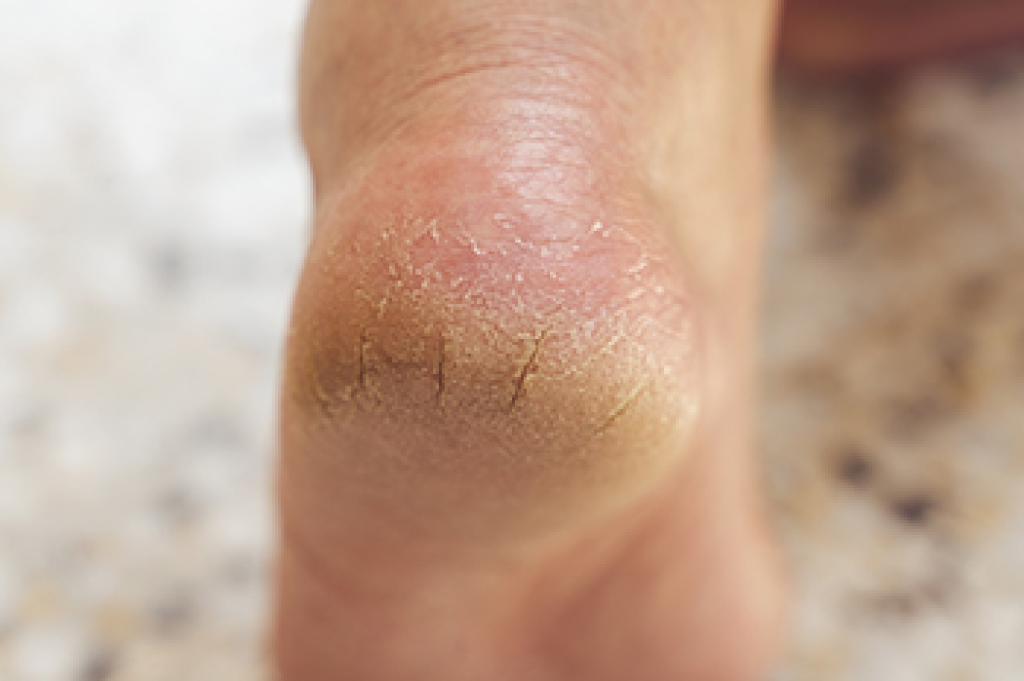
Cracked heels develop when the skin around the heel becomes dry, thick, and less flexible. Some cracks remain shallow, while others become deeper and make daily activities uncomfortable. As pressure is placed on the heel during standing and walking, the skin may split, creating painful cracks known as fissures. Common symptoms of cracked heels include dry skin, rough patches, and heel pain. In more severe cases, the cracks may bleed or become irritated. People who spend long periods standing or have certain medical conditions may have a greater risk of developing cracked heels. Because untreated cracks can worsen, a professional evaluation is important to determine the severity of the condition and recommend appropriate treatment.
Cracked heels can affect more than comfort. Deep fissures may make walking painful and increase the risk of infection if the skin barrier is damaged. Ongoing heel pain may also change the way a person walks, placing extra stress on the ankles, knees, and hips. This altered movement can contribute to discomfort in other parts of the lower body. A thorough podiatry evaluation helps identify the underlying cause of cracked heels and determine whether additional foot conditions are contributing to the problem. Early diagnosis supports more effective treatment and helps prevent complications.
A podiatrist specializes in diagnosing and treating cracked heels while addressing the factors that contribute to the condition. Professional treatment focuses on reducing discomfort, improving skin health, and restoring normal foot function. A podiatrist also evaluates foot structure and walking mechanics to identify issues that may place excessive pressure on the heels. Early podiatry care can help prevent deeper cracks and reduce the risk of long-term complications. If cracked heels are causing pain or making it difficult to walk comfortably, it is suggested that you consult a podiatrist for an evaluation and appropriate treatment options.
If the skin on your feet starts to crack, you may want to see a podiatrist to find treatment. If you have any concerns, contact one of our podiatrists from Piedmont Podiatry Associates. Our doctors can provide the care you need to keep you pain-free and on your feet.
Cracked Heels
It is important to moisturize your cracked heels in order to prevent pain, bleeding, and infection. The reason cracked heels form is because the skin on the foot is too dry to support the immense pressure placed on them. When the foot expands, the dry skin on the foot begins to split.
Ways to Help Heal Them
Ways to Prevent Cracked Heels
If you are unsure how to proceed in treating cracked heels, seek guidance from a podiatrist. Your doctor will help you with any questions or information you may need.
If you have any questions, please feel free to contact one of our offices located in Greenville, and Easley, SC . We offer the newest diagnostic and treatment technologies for all your foot care needs.