


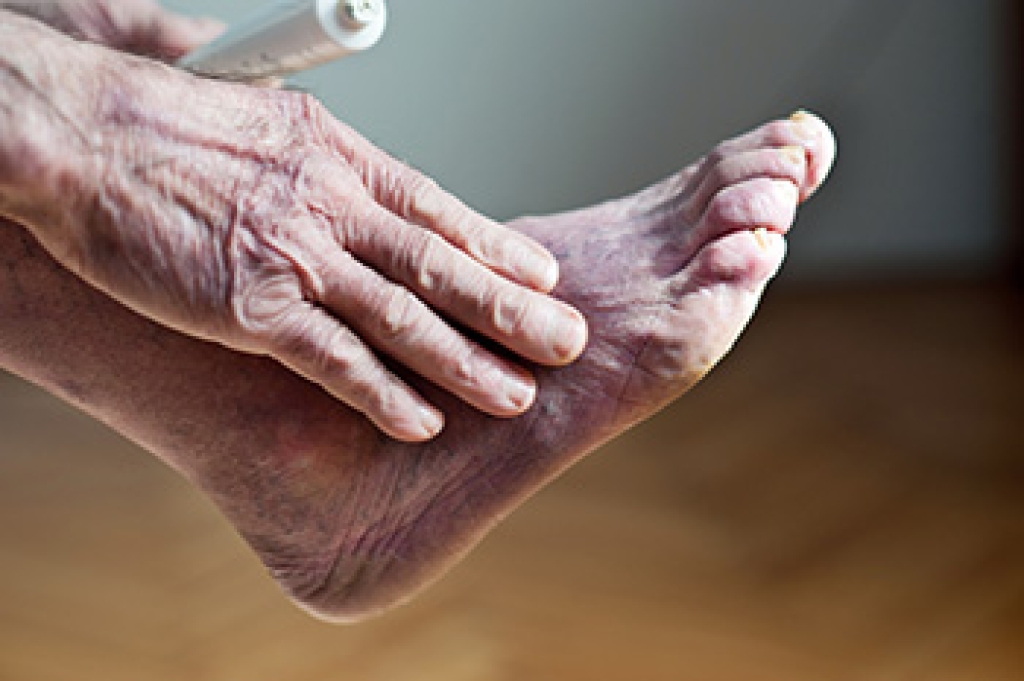
Poor circulation in the feet can make everyday movement uncomfortable and prevent small injuries from healing properly. One important cause is peripheral arterial disease, or PAD. This condition develops when fatty deposits build up inside arteries, the blood vessels that carry oxygen-rich blood throughout the body. As the arteries narrow, less blood reaches the legs and feet. PAD can also signal problems with blood flow elsewhere in the body, including the heart and brain. Risk factors include diabetes, smoking, and high blood pressure. High cholesterol and limited physical activity can also increase the risk. Some people have no noticeable symptoms at first, which makes early evaluation important. A podiatrist can assess foot health and identify warning signs of reduced circulation before serious complications develop.
Poor circulation can cause leg cramps while walking, especially when the muscles need more oxygen. Some patients experience pain while resting or lying down. Feet may feel unusually cold, numb, or weak. Changes in skin color can also suggest reduced blood flow. Other signs include thinning hair on the legs and toenails that become thicker or change color. Cuts and sores may heal slowly because damaged tissues are not receiving enough oxygen. Patients with diabetes face additional risks when nerve damage makes foot injuries difficult to feel. Even a small blister can become a serious wound when circulation is poor. A podiatrist can check pulses in the feet, examine the skin, and assess any wounds. Testing may compare blood pressure at the ankle and arm to help identify blocked arteries.
Treatment for poor circulation focuses on improving blood flow and protecting the feet from injury. A podiatrist can explain test results and develop a plan based on the patient's symptoms and risks. Treatment may involve medications that address blood pressure, cholesterol, or blood clotting. The podiatrist can also monitor skin changes and provide care for wounds that are slow to heal. Foot problems like bunions or thickened nails deserve special attention because pressure and broken skin can lead to complications. Regular examinations help identify changes before they become more serious. Patients with both diabetes and PAD may need closer monitoring to protect their feet. Sudden severe pain, a cold, pale foot, or rapidly worsening wounds require urgent evaluation. If you have symptoms of poor circulation, it is suggested that you schedule an appointment with a podiatrist for a diagnosis and appropriate treatment.
While poor circulation itself isn’t a condition; it is a symptom of another underlying health condition you may have. If you have any concerns with poor circulation in your feet contact one of our podiatrists of Piedmont Podiatry Associates. Our doctors will treat your foot and ankle needs.
Poor Circulation in the Feet
Peripheral artery disease (PAD) can potentially lead to poor circulation in the lower extremities. PAD is a condition that causes the blood vessels and arteries to narrow. In a linked condition called atherosclerosis, the arteries stiffen up due to a buildup of plaque in the arteries and blood vessels. These two conditions can cause a decrease in the amount of blood that flows to your extremities, therefore resulting in pain.
Symptoms
Some of the most common symptoms of poor circulation are:
- Numbness
- Tingling
- Throbbing or stinging pain in limbs
- Pain
- Muscle Cramps
Treatment for poor circulation often depends on the underlying condition that causes it. Methods for treatment may include insulin for diabetes, special exercise programs, surgery for varicose veins, or compression socks for swollen legs.
As always, see a podiatrist as he or she will assist in finding a regimen that suits you. A podiatrist can also prescribe you any needed medication.
If you have any questions, please feel free to contact one of our offices located in Greenville, and Easley, SC . We offer the newest diagnostic and treatment technologies for all your foot care needs.